

A Wake-Up Call for Young Mumbai: Protecting Yourself Against Early-Onset Type 2 Diabetes
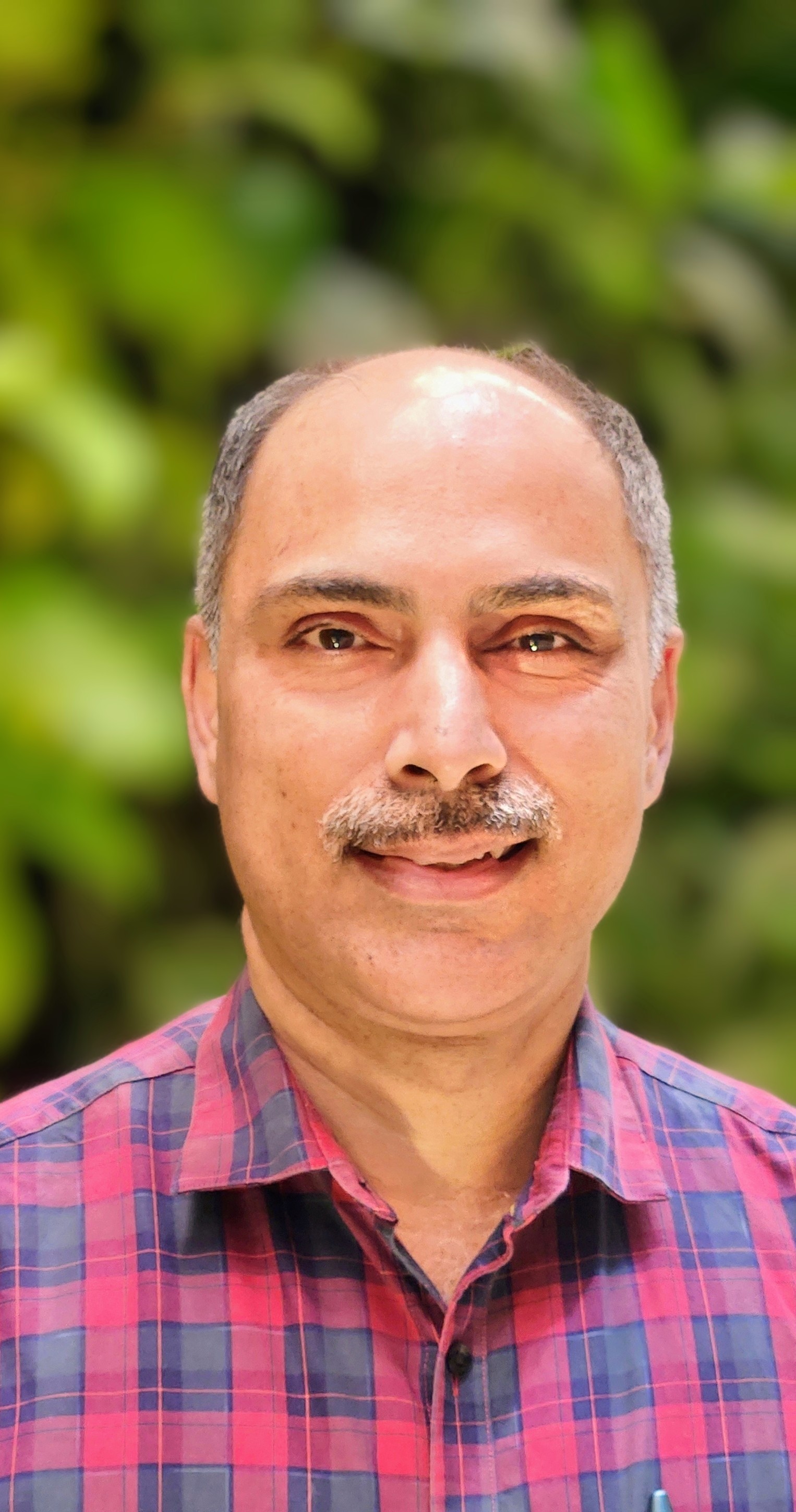
By Dr. Mathew S P Senior Consultant Physician & Medical Director, Ashok One Hospital, Dahisar East, Mumbai

For decades, most people viewed Type 2 diabetes as a condition that quietly arrived in middle age—something to worry about in your late 40s or 50s. In our outpatient department at Ashok One Hospital in Dahisar, however, we have been seeing a clear shift for several years, and recent clinical data from across Mumbai confirms it: diabetes is hitting Mumbaikars significantly younger.
According to a recent report in The Times of India examining pre- and post-pandemic patient records in Mumbai, the average age of diabetes diagnosis has dropped sharply from 43 years to 38 years. Even more striking is that 80% of newly diagnosed patients were detected during routine health check-ups—before they ever noticed classic warning signs like excessive thirst, unexplained fatigue, or frequent urination.
Why Is the Diagnosis Age Dropping in Mumbai?
There are two forces behind this trend—one concerning, and one encouraging:
Urban Lifestyle Pressures: Long commutes, sedentary desk jobs, high-stress work schedules, disrupted sleep, and easy access to calorie-dense, ultra-processed foods have accelerated insulin resistance among young adults in Mumbai. Combined with our South Asian genetic predisposition—where visceral (abdominal) fat accumulates even at lower body weights—metabolic changes are occurring much earlier.
Better Preventive Awareness: Since the pandemic, more young professionals and families are opting for annual health screenings and corporate wellness checks. This is actually good news: catching elevated blood sugar early means we are identifying diabetes in its silent phase, when lifestyle modifications and timely medical care can prevent long-term complications to the heart, kidneys, eyes, and nerves.
Why Waiting Until 30 or 40 Is Too Late
National clinical guidelines from leading Indian endocrinologists—published in Diabetes & Metabolic Syndrome: Clinical Research & Reviews—now recommend that non-pregnant Indian adults begin diabetes screening at age 25, lowered from the earlier benchmark of 30. If you are overweight, have a family history of diabetes, have high blood pressure, or lead a largely sedentary life, screening should begin even earlier.
Remember that prediabetes—where blood sugar levels are higher than normal but not yet in the diabetic range—affects an estimated 136 million Indians (according to the ICMR-INDIAB study). At the prediabetic stage, the condition is often completely reversible with structured nutritional changes, regular physical activity, and targeted medical guidance. Once irreversible beta-cell damage sets in, management becomes lifelong.
Your Action Plan: Steps to Take This Month at Ashok One Hospital
Whether you are 25 and feeling completely healthy, or in your 30s and haven't had a blood test in over a year, proactive testing takes less than 30 minutes and gives you clarity for years to come.
Book a Baseline Diabetes & Metabolic Screening (Age 25+): Do not rely on a single random finger-prick test. Visit the Pathology & Diagnostic Lab at Ashok One Hospital for a complete metabolic baseline, including Fasting Blood Glucose, Post-Prandial Blood Sugar, and HbA1c (which reflects your average blood sugar over the past 3 months), alongside a Lipid Profile and Liver/Kidney function tests.
Schedule a Preventive Internal Medicine Consultation: Numbers on a lab report only tell half the story. Book an appointment with our Internal Medicine & Diabetology OPD to evaluate your BMI, waist-to-hip ratio, family risk profile, and blood pressure so we can design a personalized prevention or reversal roadmap.
Utilize Your Annual Preventive Health Check-Up Packages: If you have a corporate or family health insurance policy, check your annual preventive health check-up benefits. Our Preventive Health Check-Up Desk at Ashok One Hospital offers comprehensive, age-appropriate full-body and cardiac-diabetic screening packages tailored for young professionals and families in Dahisar and the Western Suburbs.
Adopt the "30-Minute Rule" Daily: Aim for at least 150 minutes of moderate aerobic activity per week (such as brisk walking, cycling, or badminton) paired with twice-weekly strength training, and take a 10-minute walk after major meals to blunt post-meal glucose spikes.
Address Prediabetes Immediately: If your HbA1c falls between 5.7% and 6.4%, treat it as an actionable early warning—not a "borderline" result to ignore. Our physicians and clinical nutrition support team work closely with patients to reverse prediabetes before medication becomes necessary.
Take Charge Before Symptoms Appear
Diabetes rarely announces itself loudly at the start. By shifting our mindset from treating illness to protecting wellness in our 20s and 30s, we can reverse this worrying trend in Mumbai—one check-up at a time.
Ready to check your numbers? Visit Ashok One Hospital, Sadguru Heights 1, Ashokvan, Shiv Vallabh Road, Dahisar East, Mumbai, call our reception desk at 022-49397070, or email ashokonehospital@gmail.com to book your screening or physician consultation today.


Comments