

The Modern Nicotine Epidemic: Confronting theVaping Crisis in Clinical Practice
- Mathew Peedikayil
- 5 hours ago
- 2 min read

Once marketed as a "safe alternative" to conventional smoking, electronic cigarettes have rapidly morphed into a public health emergency. As clinicians, we are now witnessing the multi-pronged systemic toll of a highly concentrated, modern nicotine epidemic.

The core of the clinical challenge lies in a widespread patient misconception: that vapes produce harmless water vapor.
In reality, a single vaping session can deliver a massive bolus of nicotine— equivalent to an entire pack of 20 conventional cigarettes. This extreme concentration triggers immediate cardiovascular stress, marked by acute blood pressure spikes, platelet activation, and
severe endothelial dysfunction.
"Our cardiovascular system's primary function is to remain a clean conduit for blood supply without clot formation. Vaping directly disrupts this mechanism, inducing electrical instability and altering blood clotting behavior."
— DR. DEVI SHETTY, CARDIOLOGIST
Multi-System Pathophysiology
The downstream clinical consequences of electronic nicotine delivery systems (ENDS) span far beyond the cardiovascular system, requiring rigorous vigilance across multiple medical specialities:
Pulmonary Destruction: Inhaling superheated e-liquids introduces heavy metals (lead,
nickel, chromium) and volatile organic compounds into the respiratory tract. Notably, the flavoring chemical diacetyl is directly linked to bronchiolitis obliterans ("popcorn lung"), leading to permanent scarring of the bronchioles. Acute cases frequently present as Vaping Product Use-Associated Lung Injury (EVALI), often requiring aggressive, high-dose systemic corticosteroid therapy.

Neurodevelopmental Impairment: Data from recent global umbrella reviews highlight that early nicotine exposure permanently alters developing young brains. It disrupts neural circuitry regulating attention, mood stabilization, memory encoding, and impulse control.
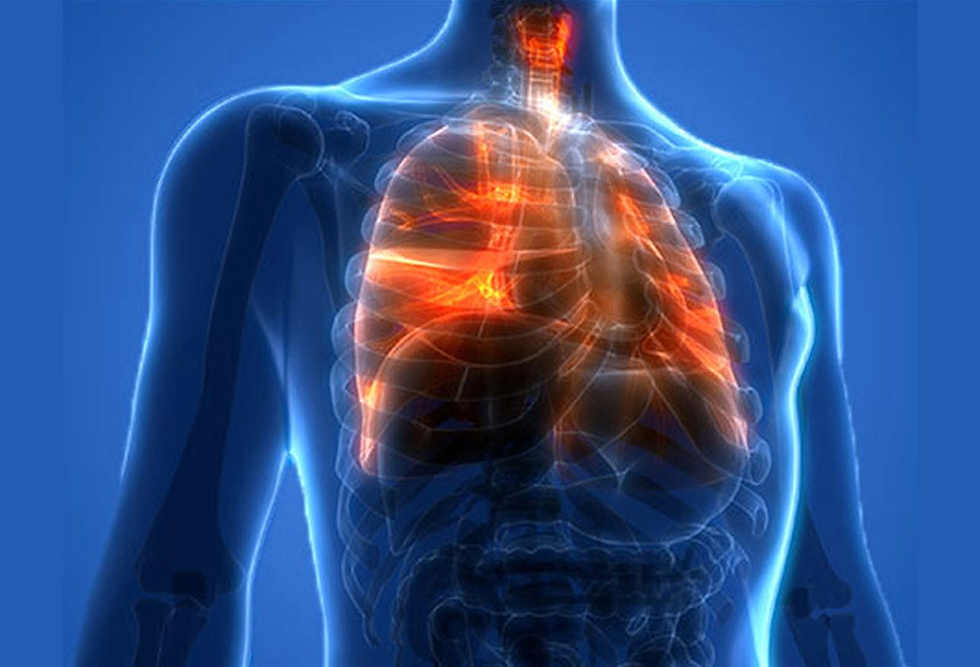
Immunological & Oral Degradation: Vaping severely paralyzes the lungs' localized immune response, sharply elevating the risk of bacterial pneumonia and chronic bronchitis.

Furthermore, it alters the oral microbiome, drying oral mucosa and trapping opportunistic bacteria that accelerate severe periodontal inflammation and dental caries.
The Clinical Call to Action
With data showing that youth who vape are nearly three times more likely to transition to combustible cigarettes, vaping acts as an aggressive training ground for lifelong addiction. As medical professionals, we must move past passive observation.
We must implement aggressive, universal screening for ENDS use in every standard triage workflow, actively debunk the "harmless vapor" myth during consultations, and establish robust, targeted cessation protocols.
The radiological and physiological damage we observe on CT scans and endothelial assessments demands an immediate, unified clinical intervention.



Comments